Mediterranean Diet—The Heart-Healthy Choice: 10 Secrets for Success
The Mediterranean diet, which is praised for its heart-healthy effects, support for brain health, and lifespan, has continuously topped the charts as one of the healthiest eating patterns in the world. This way of living, which stresses fresh, whole foods and has been linked to a lower risk of chronic illnesses, was inspired by the ancient eating practices of nations that border the Mediterranean Sea. However, why is this diet so successful, and how can you incorporate its tenets into your everyday life?
The main characteristics of the Mediterranean diet, ten crucial success secrets, and simple strategies for incorporating it into your daily routine are all covered in this guide.
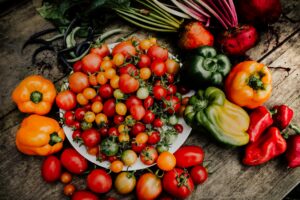
1. Understanding the Mediterranean Diet: A Lifestyle, Not Just a Diet
before i start do not forget your gift click here
The Mediterranean diet is a way of life, not just what you eat. This diet, which has its roots in the eating customs of people in nations like Greece, Italy, and Spain, emphasizes plant-based meals, whole foods, and healthy fats. It is simple to maintain over time since it places less emphasis on restriction and more on savoring a range of flavors.
Among its main constituents are:
- Vegetables and fruits as everyday necessities
- Legumes and whole grains for satiety and fiber
- Good fats, especially those found in nuts, seeds, and olive oil
- Lean protein sources, preferably shellfish and fish
- Moderate intake of poultry and dairy products
- Reduced consumption of processed foods and red meat
A balanced diet is only one benefit of embracing these factors; it also improves quality of life, encourages mindful eating, and unites family and friends around healthy, pleasurable meals. (see in Wikipedia)
2. Secret #1: Prioritize Healthy Fats
Focusing on healthy fats, especially from extra virgin olive oil, which is high in monounsaturated fats and antioxidants, is one of the main tenets of the Mediterranean diet. The Mediterranean approach recognizes that the proper types of fat are necessary for optimum health, in contrast to diets that demonize fat.
Healthy fats that are suitable for a Mediterranean diet include:
- Extra virgin olive oil is excellent as a salad dressing or in cooking.
- Seeds and nuts: Chia seeds, walnuts, and almonds
- Avocados: Rich in heart-healthy fats and adaptable to a variety of cuisines
These fats support brain health, lessen inflammation, and lower “bad” LDL cholesterol. Try to incorporate a tiny quantity of good fats into each meal
3. Secret #2: Load Up on Colorful Vegetables and Fruits
The Mediterranean diet is characterized by its strong focus on vibrant, fresh fruits and vegetables. Packed with antioxidants, vitamins, and minerals, they are essential for lowering inflammation, preventing heart disease, and enhancing general health.
To guarantee a wide range of nutrients, it’s a good idea to arrange your plate in a variety of hues. Consider vivid red tomatoes, purple eggplants, yellow peppers, and dark leafy greens like spinach. A sweet and nourishing touch is also added by fruits like oranges, berries, and grapes.

4. Secret #3: Make Whole Grains Your Go-To
Whole grains that are rich in fiber, B vitamins, and antioxidants, such as quinoa, barley, bulgur, and whole wheat, are essential components of the Mediterranean diet. Whole grains digest more slowly than processed grains, which stabilizes blood sugar levels and provides sustained energy.
Replace white rice or pasta with whole-grain alternatives, and for further variation, try experimenting with grains like freekeh or farro. Additionally, these grains provide food depth and texture, which enhances its nutritional value and satisfaction.
5. Secret #4: Eat More Fish and Seafood
Fish and seafood, particularly fatty fish like salmon, sardines, and mackerel, which are rich in heart-healthy omega-3 fatty acids, are the main sources of animal protein in the Mediterranean. These vital fats have been shown to lower blood pressure, triglycerides, and the risk of stroke.
Try to eat fish twice a week or more. Start with simple fish recipes like roasted trout or grilled salmon if you’re new to preparing fish. It can be as easy as adding shrimp into a salad or pasta dish to incorporate seafood into your weekly plan.

6. Secret #5: Limit Red Meat and Processed Foods
The Mediterranean diet emphasizes leaner proteins like fish and lentils, so while red meat isn’t entirely off the table, it’s typically only eaten in moderation. Because the diet focuses on natural, minimally processed sources, processed foods, refined sugars, and artificial substances are also limited.
Think of red meat as a delight instead than a necessity. Enjoy it in moderation and choose lean cuts when you do eat it. Limiting processed meals will also help you consume fewer harmful carbohydrates, fats, and additives, which will improve your digestive and heart health.
7. Secret #6: Embrace Herbs and Spices
The Mediterranean diet promotes the use of herbs and spices like garlic, rosemary, oregano, and basil in place of salt. These organic flavor enhancers give food more dimension and provide health advantages. For example, turmeric has anti-inflammatory qualities, while garlic has been demonstrated to lower cholesterol.
Try using both dried and fresh herbs in your recipes. A sprinkle of oregano or a handful of fresh basil can add flair to a straightforward salad or veggie dish. Additionally, adding antioxidants to your food through herbs and spices improves your general health.

8. Secret #7: Enjoy Plant-Based Proteins
The Mediterranean diet emphasizes plant-based proteins such beans, lentils, and chickpeas, yet animal proteins are still eaten in moderation. These foods help to maintain digestive health and prevent chronic diseases since they are high in fiber and protein.
Legumes are inexpensive, adaptable, and simple to use in meals. Make lentil soup, add chickpeas to salads, or eat a portion of hummus as a snack. By using these plant-based proteins, meals can remain wholesome and satisfying while reducing dependency on animal products.
9. Secret #8: Make Mealtime a Social Experience
The Mediterranean lifestyle places a strong focus on sharing meals with loved ones. Research indicates that dining with others might promote slower, more thoughtful eating, lower stress levels, and enhance mental health.
Try to schedule time to eat meals with loved ones rather than grabbing food on the go. A more fulfilling eating experience, improved digestion, and portion control are all possible with this mindful dining method.

10. Secret #9: Allow for Natural Grape Juice and Red Grapes
The use of red grapes and natural grape juice is one distinctive feature of the Mediterranean diet. These are frequently consumed with meals in Mediterranean cultures, where they include antioxidants and may lower the risk of heart disease. Here, moderation is essential; consume red grapes or grape juice in moderation each day. It’s not necessary to start consuming things in excess for the purpose of the diet if you don’t already. These natural alternatives may offer equally potent advantages.
11. Secret #10: Hydrate with Water and Herbal Teas
The Mediterranean diet emphasizes water and herbal teas as the primary liquids, in contrast to many Western diets that are frequently heavy in sugary sodas and juices. Maintaining proper hydration is essential for heart health, vitality, and general wellbeing.
Sugary drinks are uncommon, but coffee is also appreciated in moderation. For a refreshing twist, choose water that has been infused with cucumber, mint, or lemon. In addition to being hydrating, herbal teas like peppermint or chamomile can help with digestion and encourage calmness.

Adopting the Mediterranean Diet in Your Routine
Here are some doable actions to include the Mediterranean diet into your everyday routine now that you are aware of its fundamental secrets:
- Begin by focusing on one meal at a time. Consider adding Mediterranean components to one meal each day. A colorful vegetable salad with olive oil for lunch, grilled salmon with quinoa for dinner, and Greek yogurt with berries and nuts for breakfast are all possible options.
- Shop for entire foods: Pay attention to fresh produce, whole grains, nuts, and lean proteins when you’re grocery shopping. Steer clear of highly processed foods with long lists of ingredients.
- Try out other recipes: Include a range of Mediterranean-inspired foods, like fresh tomato-basil pasta, tzatziki, and ratatouille. A lot of Mediterranean recipes are flavorful and easy to make.
- Reduce processed sugars and refined grains gradually by substituting fresh fruit for sugary snacks and whole-grain alternatives for refined grains. This keeps you from feeling starved while adhering to the Mediterranean diet.
- Cook with your loved ones: Include everyone in the dinner preparation process. Cooking together improves social ties and fosters a greater appreciation for healthful meals.
Conclusion
The Mediterranean diet is a way of life that prioritizes community, enjoyment, and health rather than just a set of food. This diet promotes heart health, brain function, and general wellness by emphasizing whole, natural foods and practicing mindful eating. Its benefits go well beyond weight loss, encouraging longevity and good health throughout one’s life. Its flexible nature and well-rounded approach make it simple to integrate into daily life.
The Mediterranean diet offers a tasty, sustainable, and rewarding route to wellbeing, regardless of your level of experience with good eating. Your best bet for heart health may be to follow the Mediterranean diet.